





Honor Award
CLB Architects:
CAJU
Teton Village, Wyoming
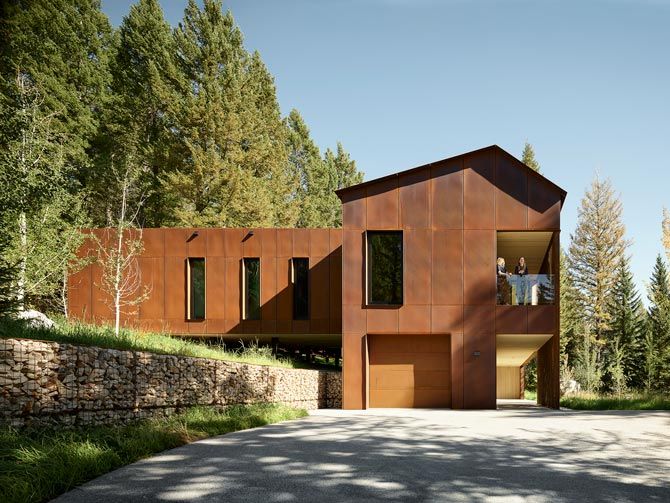
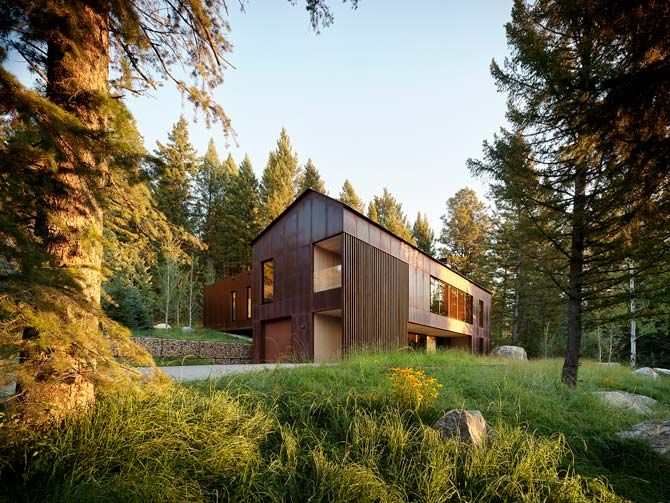
Caju is a home where simplicity and honesty of materials are derived from the belief that there is beauty in functionality. The clients, a young family based in Miami, sought a serene retreat at the base of Jackson Hole Mountain Resort. With roots in Brazil and a deep appreciation for the outdoors, they envisioned an intimate and welcoming house where their family and occasional guests could connect and unwind. Their brief emphasized living simply — a home designed for the essentials rather than excess — grounded in practicality and natural materiality. The name “Caju” is borrowed from a Brazilian fruit with an orange shell, similar to the home’s weathered steel exterior.
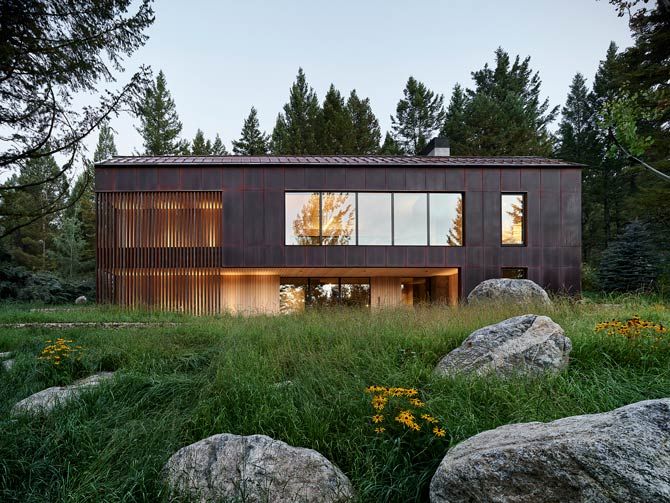
Located on one of the last undeveloped parcels in Teton Village, the site is defined by dense timber, rugged topography, and striking views of the Snake River Valley and surrounding peaks. The heavily wooded and boulder-strewn lot required a sensitive design approach, minimizing tree removal and site disturbance. The resulting structure is both embedded in and hovering above the landscape, featuring a compact footprint and an elevated bedroom wing supported by slender columns that lightly touch the hillside. This approach preserves the integrity of the terrain while offering heightened perspectives of the area’s natural splendor. Outdoor spaces, including a rear metal grate deck that encircles a pair of aspen trees and a front deck extending from the kitchen, offering prospecting valley views, further enhance the home’s integration with its environment.
The design presented a unique challenge: to create a modest yet highly functional home that prioritizes simplicity without compromising approachability or character. The two-story layout strategically positions the main living areas on the upper floor to maximize views, while the lower level houses practical spaces, including a garage, mudroom, and gym. The upper level features an open-plan living, dining and kitchen area, along with four bedrooms. A floating staircase — a perforated stainless steel structure — serves as both a functional and sculptural element, visually connecting the two levels and allowing light to filter through.
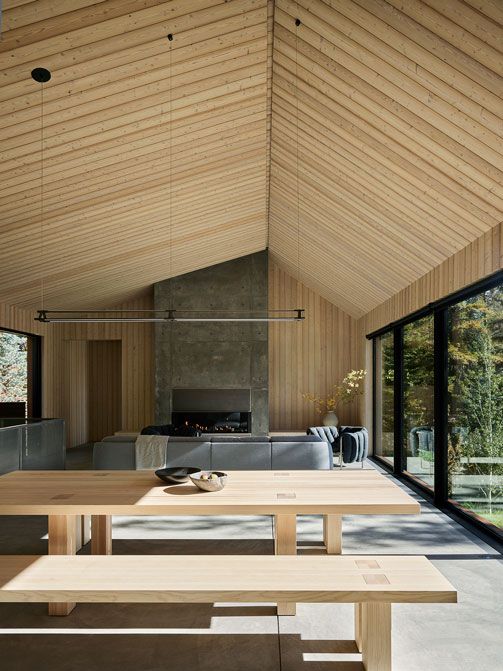
Materiality is at the core of the project’s identity, with a palette restricted to steel, wood, and concrete. These durable and humble materials were chosen for their ability to age gracefully and for their inherent beauty. The weathered Corten steel exterior’s living finish provides a dynamic backdrop for the natural surroundings, while carved-out sections of larch offer a warm contrast and highlight the home’s sculptural form. Inside, larch extends to walls and ceilings, creating a cohesive and serene environment, while concrete floors and stainless steel accents lend durability and a refined edge. This restraint in materials demanded thoughtful detailing, with each element contributing to a unified and harmonious design where the house itself becomes akin to a piece of art.
Honor Award
GALCZYNSKI | Farmer Payne Architects:
SNOW KING OBSERVATORY
Jackson, Wyoming
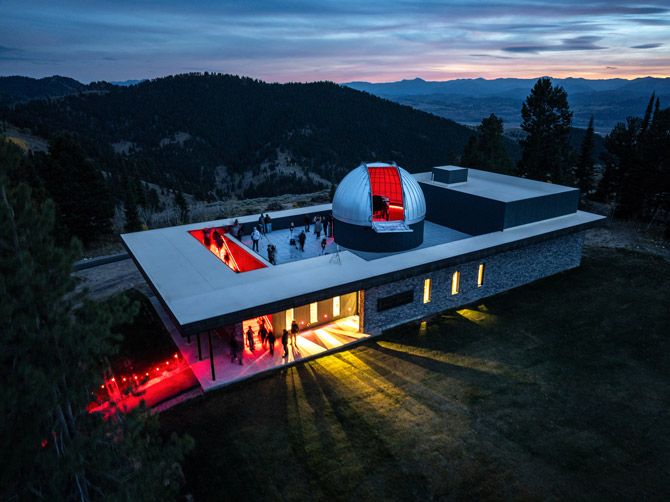
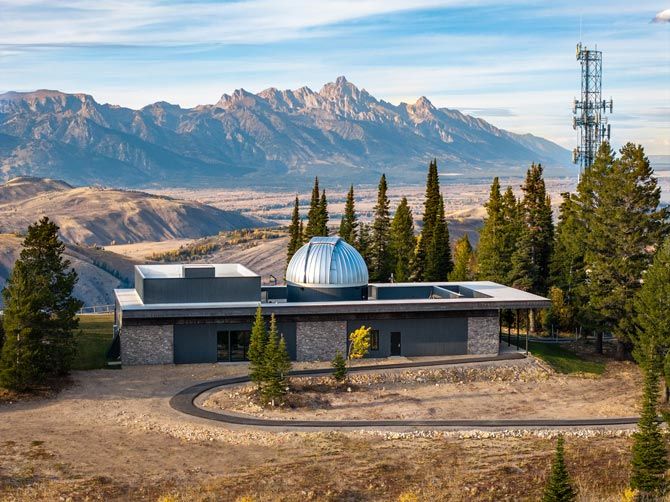
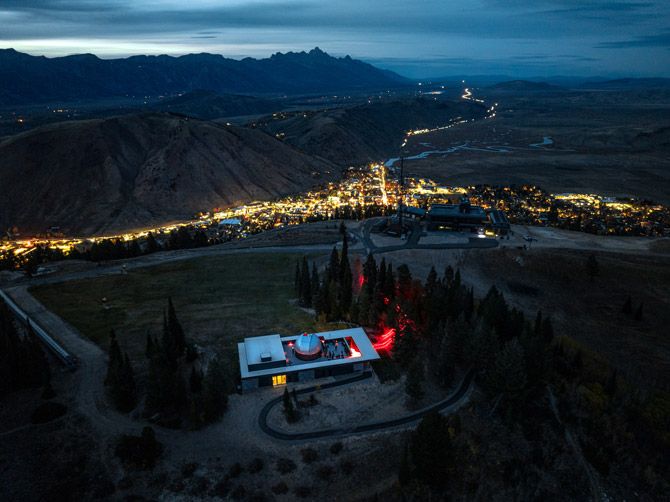
Perched 7,808 feet above Jackson, Wyoming, atop the summit of Snow King Mountain, the Snow King Observatory is a pioneering scientific facility that combines cutting-edge astronomy with public education. This 4,400-square-foot structure is the first in North America to feature a public, ADA-accessible one-meter telescope at the summit of a ski resort. Its purpose is to deepen understanding of astronomy while offering a unique experience for locals and millions of visitors to the Greater Yellowstone region.
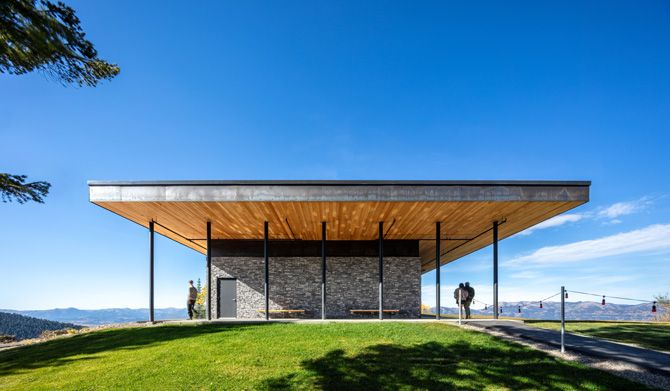
The design team was presented with a rare opportunity: creating a structure that could accommodate both a massive telescope and a steady flow of visitors while minimizing environmental impact. The building’s compact footprint preserves the ecosystem, and its low-profile design maintains sightlines to the Teton Range. At the core of the facility, a Planewave CDK1000 telescope is mounted on a 20-foot concrete pier structurally isolated from the main building to prevent vibrations from affecting its precision, ensuring clarity in astronomical research.
Energy-efficient features, including a white membrane roof, reflect solar heat in summer and prevent nighttime heat distortion, preserving telescopic imagery. Fire safety and durability were paramount in the design, given the remote location and Wildland-Urban Interface requirements. The design minimizes exposed wood, relying on steel for resilience in harsh conditions. Staggered stud walls, paired with continuous insulation, provide thermal efficiency while also limiting sound transmission to the surrounding natural environment.
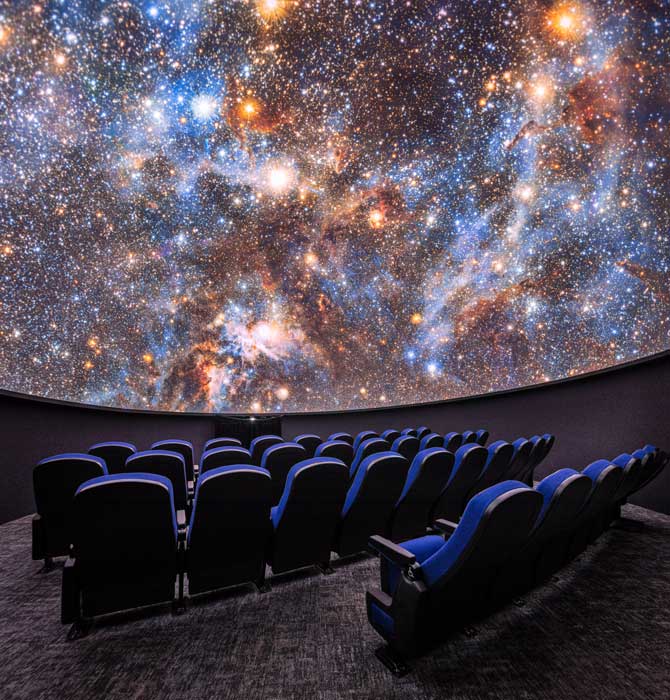
With a mission to inspire curiosity and spark imagination, the observatory serves as both a scientific resource and an educational hub. Its program includes the telescope, a 35-seat planetarium with an 8-meter dome, a 40-seat auditorium, interactive exhibits, and a Science on a Sphere installation that projects planetary and atmospheric data onto a suspended globe, immersing visitors in the scale of the cosmos. Its unique location also extends beyond astronomy. By complementing the popular Snow King Concert Series held on the mountain, the observatory reinforces the site as a cultural and communal anchor. In this way, the building broadens its service to the community, transforming a seasonal recreation hub into a year-round destination for science, culture and shared experience.
Situated within the first designated International Dark Sky Community, the observatory takes full advantage of high altitude, low humidity and minimal light pollution. Accessible by gondola or a 1,600-foot hike, it invites all to explore the wonders of the universe from one of the most stunning vistas in the United States.
Merit Award
Stateline No.7 Architects:
T SQUARE
Casper, Wyoming
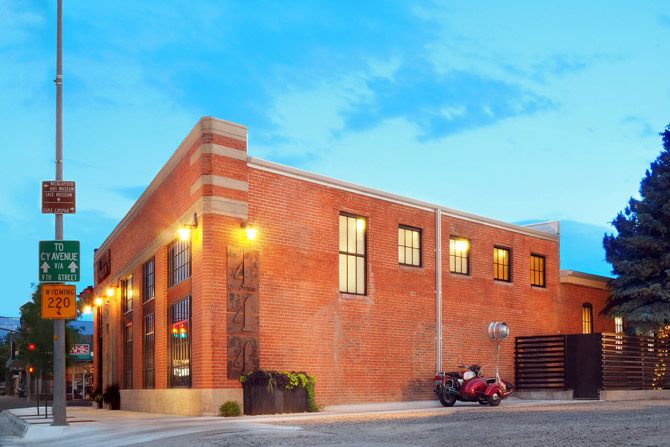
The project began with a personal and professional vision: an architect-turned-developer sought to co-locate home and office in a historic warehouse at the urban edge of a transitioning downtown, which included an underutilized lower level for a coworking office space. The building — one of a few surviving structures from a former gritty, industrial rail yard at what was then the edge of town — occupies a prominent intersection that now marks a gateway into the city center.
The design draws inspiration from the site’s industrial past — cues of past industrial machining — that inspired a concept centered on exposing and honoring the original building components, while integrating modern interventions through contemporary industrial vocabulary in an honest expression. The result is a layered dialogue between past and present.
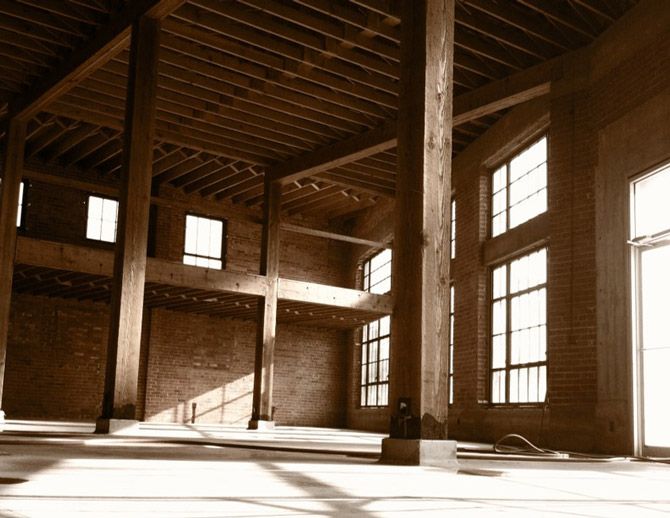
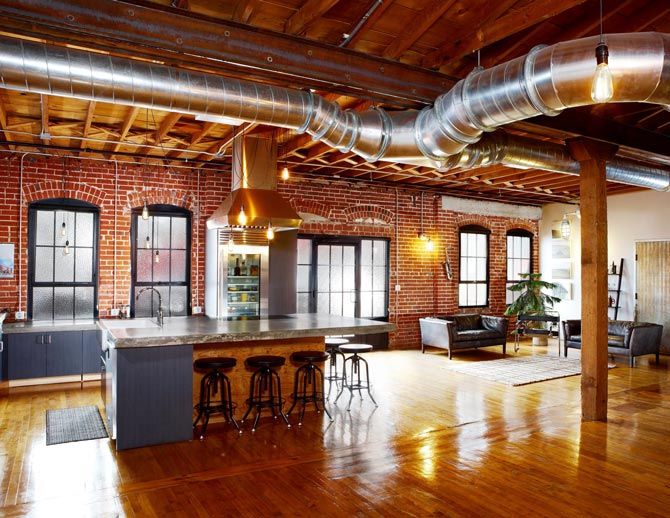
A century of alterations was carefully stripped away — layers of paint were removed, the original brickwork uncovered, and overlain floors were refinished into a mix of authentic, distressed hardwood and polished concrete. Wherever possible, the existing building fabric was preserved, repaired and reintegrated into the design.
New construction is deliberately restrained, maintaining a respectful and nuanced relationship with the original architecture. In some locations, the two are carefully delineated; in others, the modern fades into the background, allowing the historic character to lead. Transparency, natural light and honest materials provide continuity throughout the building.
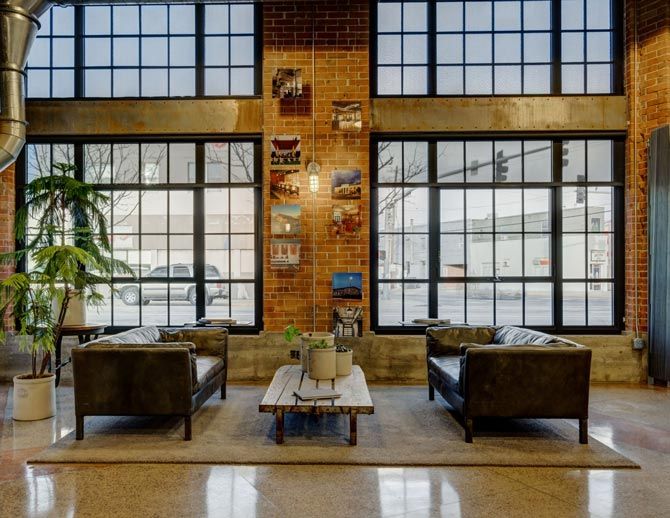
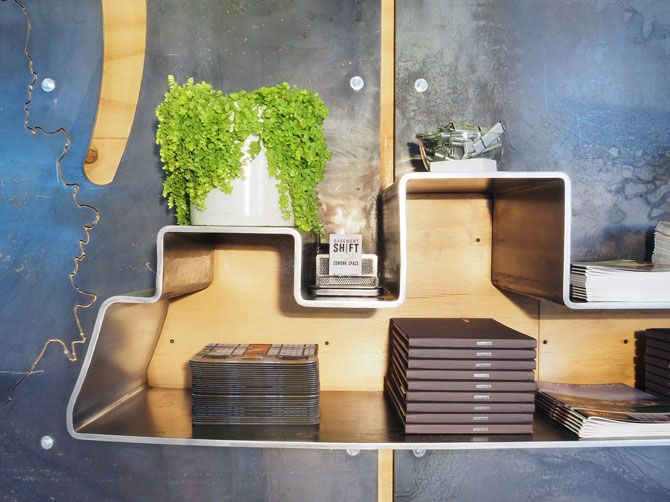
The interior layout draws inspiration from the expansive floor space of the original warehouse, while the original exposed brick walls, wooden floor assemblies, exposed roof structure and polished concrete floors create a rich backdrop for each space. A limited, purposefully raw new material palette includes translucent glazing, polycarbonate, mill-finished steel, salvaged plywood, wood pallets and painted gypsum. Custom-designed furnishings reinforce the industrial narrative.
Since its completion, the project has become a catalyst for urban redevelopment in the area. Nearby neighborhood downtown buildings have followed the project’s lead, embracing and expanding the mixed-use programming while respecting the historic fabric of the district.