


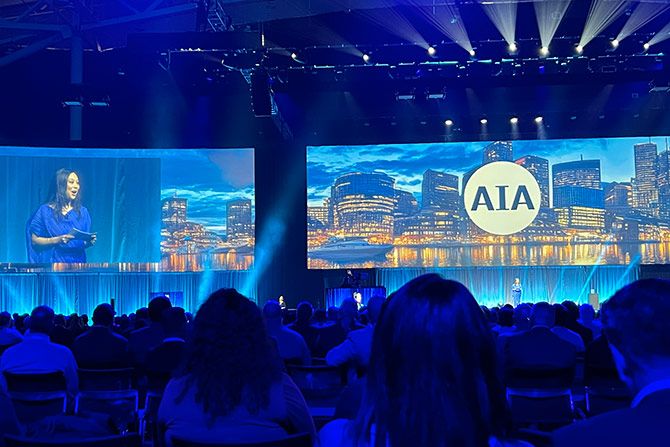

The AIA Conference on Architecture & Design 2025 (AIA25) in Boston was my first opportunity to attend the national conference as a representative of the SFX board and a member of the AIA Strategic Council. It made for an eventful conference composed mainly of meetings held at the conference center and adjacent hotels. Many of the discussions centered around what had worked over the last century for the American Institute of Architects and the Institute’s support of the profession.
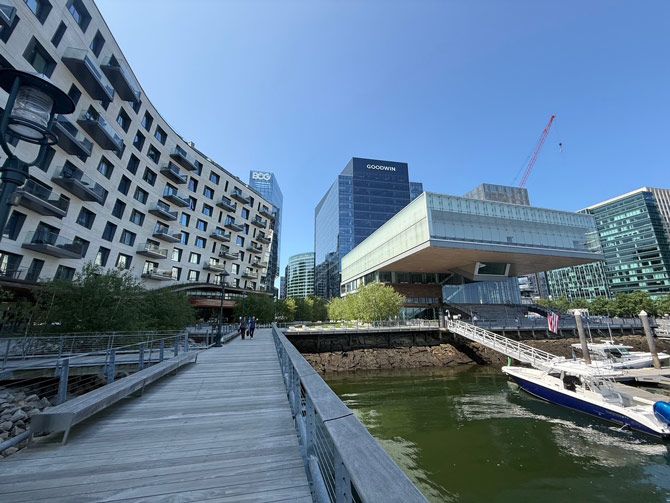
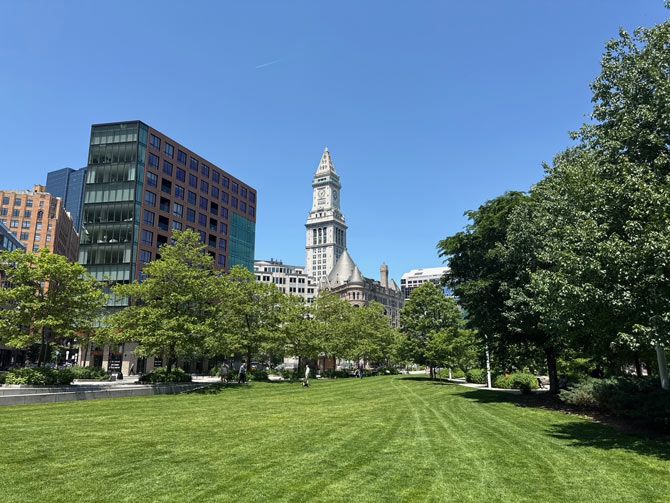
The harbor cruise was a highlight, as the city boasts many excellent examples of public spaces, buildings, and vibrant commercial areas. The integration of landscape and walkways was impressive, providing numerous spaces for informal discussions. Meeting up with Roger Stewart for lunch at the harbor was another highlight of the trip.
Many of this year’s speakers addressed the work of architects, the need for architecture and the importance of architectural participation in the development of holistic cities. Discussions on technology and AI were more muted than they have been in recent years. The use and limits of these tools are better understood, as are the intellectual property and copyright concerns. Firms openly discussed intellectual property concerns and the murky landscape surrounding RFPs that can be compiled in seconds (though they may amount to little more than illusions of coherent project proposals).
Another topic that was broached during roundtable discussions was the impact of bank-owned properties, private equity-purchased properties and real estate comps on banks’ purchases of bank-owned units. A residential housing market where banks sell to other banks, who price residential units as assets and then borrow against the inflated value, leaves little room for home ownership among U.S. citizens. This condition is fundamentally changing the nature of U.S. citizenship and the contributions of residential architecture.
Much of my effort with the SFX board and Strategic Council centered on the monthly feedback loop between state-appointed representatives and their respective state boards. Instead of thinking of these groups as knowledge groups, the focus was on these entities and their appointed representatives as knowledge conduits between states and the AIA national headquarters. It was clear that participation was fundamental to this aspect of state-appointed representatives and to the health of the American Institute of Architects.
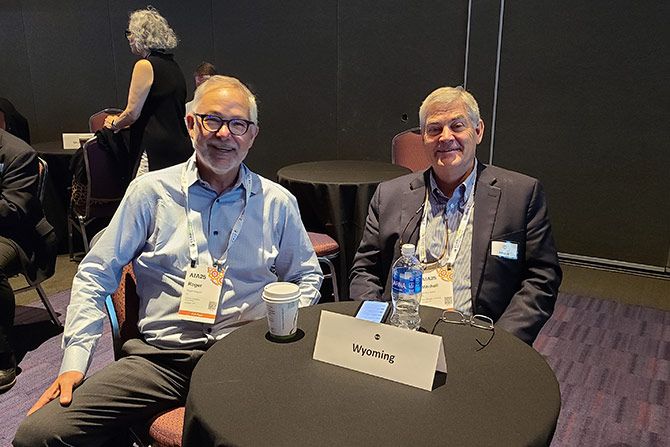
On June 4, Mitch Blake and Roger Stewart represented Wyoming at both the Annual Business Meeting and the Candidate Caucus Meeting.” Remove the last sentence of the seventh paragraph. At the Annual Business Meeting, delegates passed three bylaw amendments and one resolution. The amendments included elevating members to the College of Fellows who apply but become deceased during the jury process; ensuring geographic diversity in the voting body at institute meetings; and filling vacant director-at-large positions. The resolution was to establish an official policy on the use of AI in the profession.
The treasurer delivered a financial report, noting that 2025 was the first year AIA balanced its operating budget without drawing from the 1735 Investment Fund, which was established with the proceeds from the sale of AIA Contract Documents in 2020. For full details see the 2025 Annual Business Meeting.
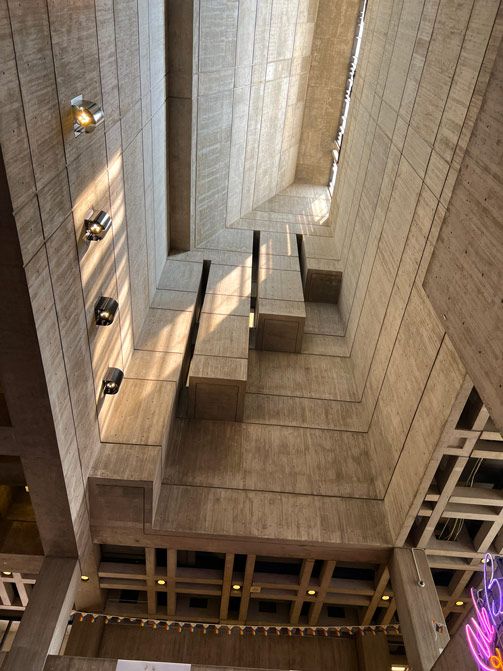
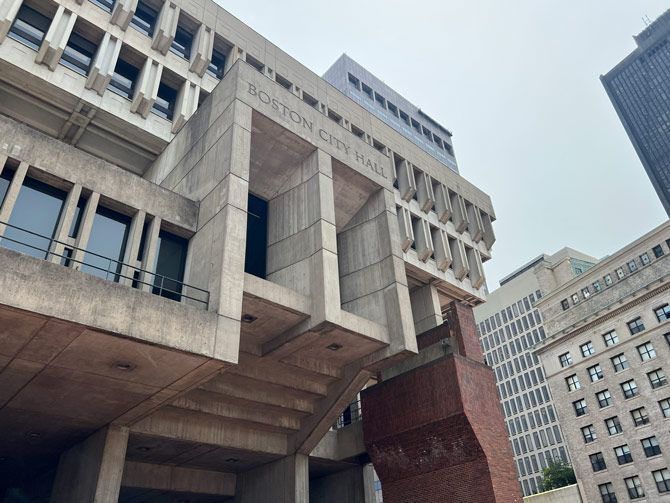
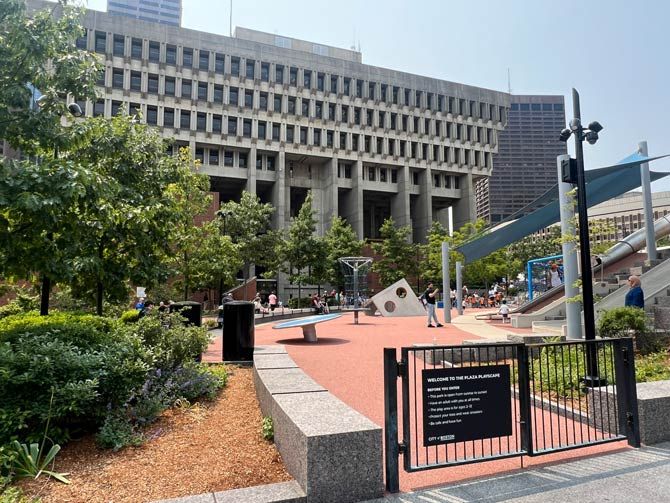
AIA25 included a wide variety of courses and tours designed to engage and inspire us as architects. Mitch Blake attended a tour of Boston City Hall and learned how the building is being continually renovated to meet the city’s changing needs, as well as about the incredible transformation of the plaza surrounding the building, which is now much greener and more pleasant for community events.
A walking tour of downtown Boston revealed the changing ideas about street lighting and the focus on lighting sidewalks, rather than streets, to control light pollution while utilizing lower lumen levels to create safety. It is interesting to note that the old gas light fixtures still create a nicer color and light quality that lighting designers and manufacturers are striving to achieve with more sustainable LED fixtures.
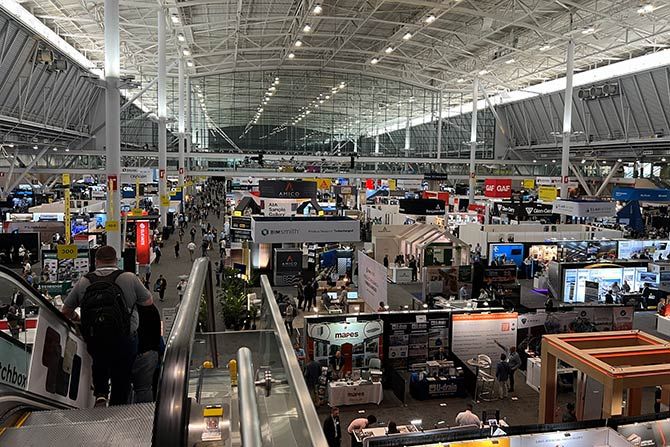
Kermit Baker, FAIA, provided a session that was very revealing about the challenges of affordable housing across the United States. Roger and Mitch were particularly impressed with a session titled “David vs Goliath: How Small Firms Can Compete and Win.” Roger invited the speakers from that session to present at our AIA Wyoming Fall Conference in Sheridan, which they accepted. Finally, the vast exhibit hall was packed with an impressive group of vendors, service providers and other valuable resources.
We recommend that our AIA Wyoming members, associates and affiliates take the opportunity to attend the national conference in the future. It is sure to be well worth your time and valuable to your firm, given the exposure and education available to attendees. We encourage firms to support and, if possible, supplement their employees’ attendance at AIA26 and beyond.