




AIA Wyoming hosted its 2025 Fall Conference at the Sheridan College Center for the Arts in Sheridan on Sept. 24-26 with the theme of “Reinvented.” The conference highlighted resilience and adaptability in a rapidly evolving world, with key topics including the repurposing of existing buildings, reinventing professional practice and applications of emerging technologies.
The Fall Conference featured a golf tournament, three practice management talks, five world-class speakers, and six tours. Motivated by the desire to create conferences that members don’t want to miss, the planning committee started early and certainly hit the mark. Special thanks to the planning committee, comprising of Dale Buckingham, AIA, Aimee Bolton, AIA, Mitch Blake, AIA, Roger Stewart, AIA, Carl Kohut, AIA, and Executive Director Jessica Howard. Karen Kelly, AIA, and Dan Stalker, AIA, who shared the committee chairman responsibility, put on a truly exceptional conference.
Practice Management Talks
The conference featured a new series of talks focused on practice management on Thursday afternoon. This was doubly unique in that two of the three presentations were delivered remotely via video, an exciting new format that opens up many possibilities for engaging with future speakers.
Jayme Gately and Pam Raymond, the owners of Blueprint Marketing, presented remotely from both New York and Los Angeles on the topic of marketing and “How Small Firms Can Compete and Win.” This session provided tips, tools and tactics small firms can utilize to define their competitive advantage, tell their story with more confidence and claim their stake in hypercompetitive markets. With years of strategy and tactics that secured over $1 billion in design fees, Jayme and Pam were more than qualified to provide scalable advice and encouragement to help smaller firms succeed and win.
Erik Jeanette of Iconergy and Elizabeth Gilmore of Energetics teamed up to present a remote session from Denver on energy modeling called “Educating Clients and Driving the Conversation for Optimized Buildings.” Erik has managed projects and teams for commissioning, monitoring-based commissioning, retro-commissioning, ASHRAE energy audits, and HVAC DDC Design projects since 1997. Elizabeth specializes in providing pragmatic, cost-effective and resilient building energy solutions through energy modeling, sustainability consulting and building performance testing. Their presentation was based on the idea that architects generally understand the benefits of energy modeling and retro-commissioning, but sometimes struggle to communicate those benefits to clients. They provided valuable advice on how to convey the value of professional engineering services for newly constructed buildings, major renovations or additions.
Carl Schweitzer, JD, of Northwest Notice Service, presented on the topic of “Preliminary Notice: Wyoming Construction Lien Notices,” exploring the Wyoming “Preliminary Notice” (also known as “Notice to Owner”) and how it applies to architectural practices. Participants learned the purpose of liens, when they should be used, the importance of preliminary notices, the process of filing and how they are enforced. Mr. Schweitzer is an attorney and the owner of Northwest Notice Service, a “pre-lien” notice service primarily servicing Montana and Wyoming. For the past 17 years, Mr. Schweitzer has conducted at least 100 seminars explaining the basics of Montana and Wyoming lien statutes.
Speakers
The lineup of inspirational speakers for this conference was impressive; a roster capable of impressing any chapter of the AIA. Among this group included a partner of an AIA Gold Medal winner, two Firm of the Year recipients and several published authors, all but one of whom are members of the College of Fellows.
Tim Lock, AIA, CPHD, of Opal Design presented “Resourceful by Design: Ecological Architecture for Health, Safety, and Value.” This session introduced Timothy’s work and OPAL’s practice, as well as the OPAL Dimensions of Building Ecology framework, a practical approach to resourceful design and construction in today’s AEC industry. Participants learned how ecological principles can be applied across the entire project lifecycle — from site selection to design, prefabrication, construction and long-term operation — using real-world case studies. The session highlighted how resource-based material choices, attention to material makeup, panelized assemblies and circular product acquisition simplify designs, reduce risk during construction, extend building durability while reducing maintenance, and support occupant health and safety. Tim is an architect, educator and advocate leader in ecological design. He is the author of “The Dimensions of Building Ecology,” OPAL’s proprietary design framework.
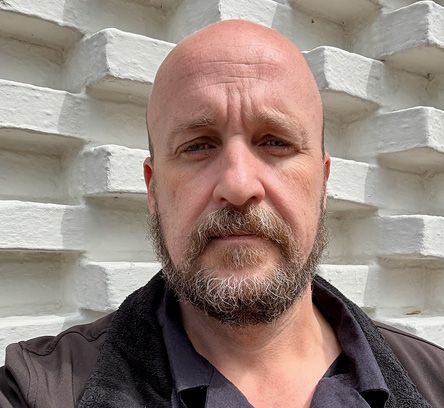
Jeff Huber, FAIA, ASLA, NCARB, LEED AP, WEDG, of Brooks + Scarpa spoke on “The Power of Beauty: Finding the Extraordinary in the Ordinary.” His talk explored the intersection of beauty and resilience in architecture through the lens of Brooks + Scarpa’s work, including material experimentation and socially responsive urban, architectural, landscape and public art design. He showed projects across the country and beyond to demonstrate how design can elevate ordinary conditions into extraordinary outcomes. Jeff is a principal and partner at Brooks + Scarpa, where he leads the firm’s South Florida office. In addition to his practice, he is a professor at the School of Architecture at Florida Atlantic University. His research, teaching and professional work have earned over 75 national design awards. Currently serving as vice president of AIA Florida, Huber previously held a national leadership role as an AIA Strategic Councilor.
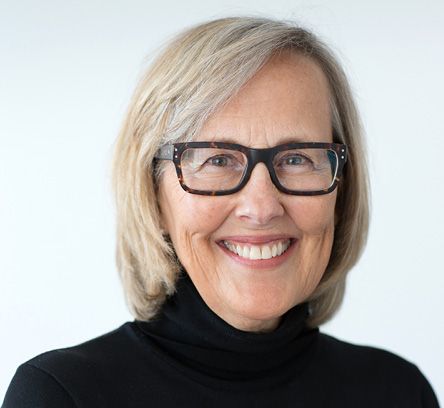
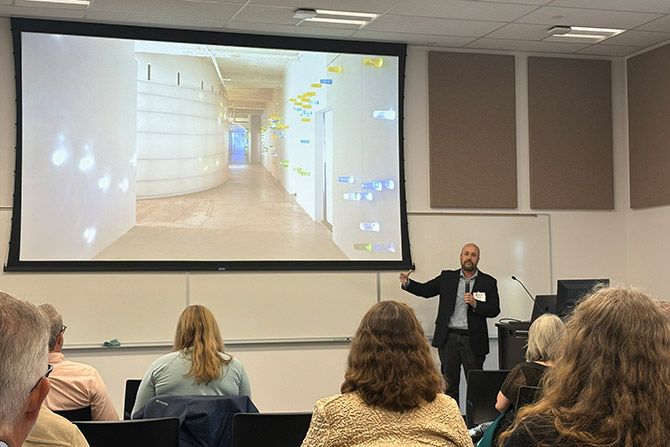
Julie Snow, FAIA, of Snow Kreilich Architects, presented a session titled “Myriad of Ideas,” where she explored the trajectory of architecture and how it has evolved and continues to evolve. She examined how clients’ expectations have expanded to include accessibility, equity and sustainability while encouraging us to remember our primary responsibility of delivering architecture that provides an inspired experience. Julie Snow is the founding design principal of Snow Kreilich Architects, a studio-based practice in Minneapolis, Minnesota, that has been recognized with numerous awards, including the AIA’s 2018 Architecture Firm Award. Julie has held several visiting professor positions and was awarded the Architecture Prize from the American Academy of Arts and Letters in 2011.
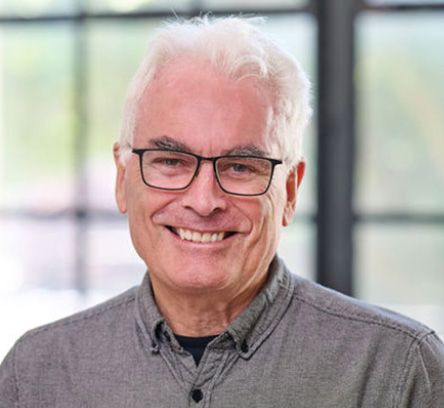
William Leddy, FAIA, of Leddy Maytum Stacy Architects, presented “Practice with Purpose: Architects as Change Agents for a Resilient Future.” It was a call to action, asserting that architects are uniquely qualified to be leaders in this dire moment as change agents for a resilient future. Through a range of integrated practice strategies and business practices developed over three decades, William discussed how to take positive action every day in a practice where every project is designed to serve the needs of our clients, our communities, and our planet — our only home. William is a founding principal of San Francisco-based Leddy Maytum Stacy Architects, the 2017 recipient of the AIA Architecture Firm Award and winner of over 175 regional, national and international design awards.
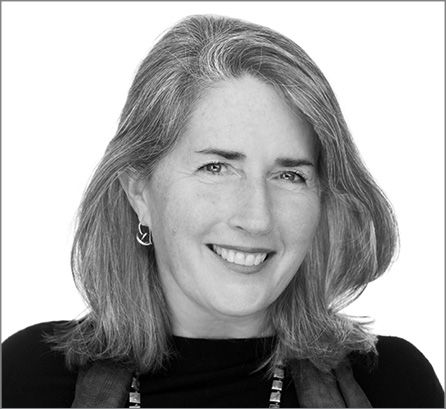
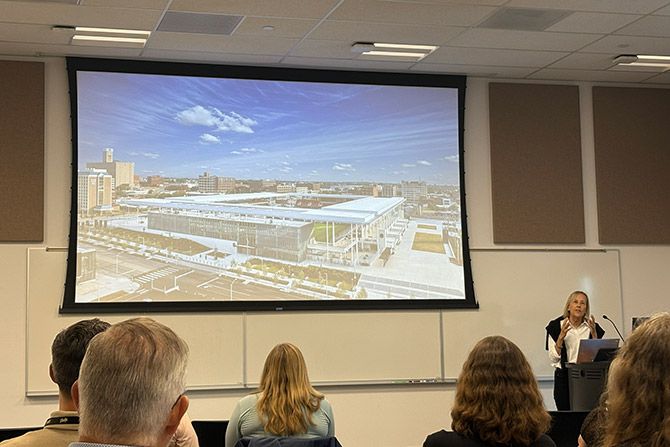
Susan T. Rodriguez, FAIA, of Susan T. Rodriguez Architecture • Design, spoke on how the essence of culture and community contributes to architecture that resonates with its place in “Overlay: Designing at the intersection of Architecture and the Public Realm.” She demonstrated through her work, which ranged in scale and type from interventions in historic precincts to new large-scale monumental buildings, how an attitude about design can connect people to place and to each other through an architecture of interpretation. She is a recipient of the Women in Architecture Design Leader Award from Architectural Record and the founder of Susan T Rodriguez Architecture · Design. Prior to establishing an independent practice, she was a founding design partner in Ennead Architects (formerly Polshek Partnership). She lectures frequently on her work and has taught numerous studio classes at Cornell, Columbia and City College.
Tours
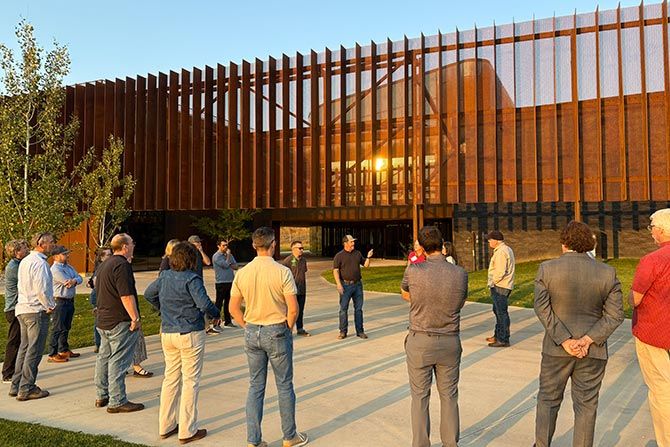
The conference offered a diverse range of buildings to tour, including high-tech manufacturing spaces, institutional facilities and a historic landmark.
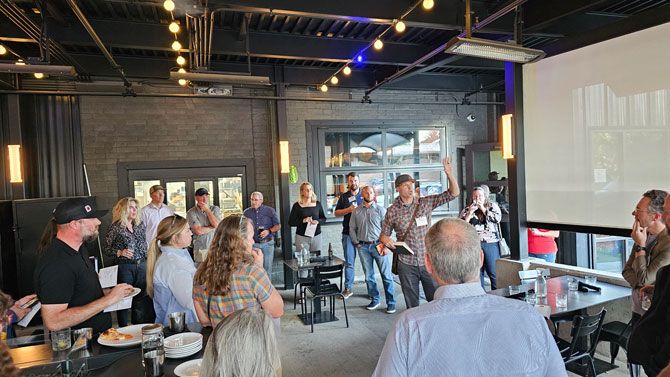
Warehouse Gastropub. Led by Levi Van Buggenum, AIA, principal with Arete Design Group, this tour highlighted the transformation of an abandoned warehouse into a vibrant restaurant, nightclub and family-oriented destination. This tour underscored the intersection of preservation, innovation and community engagement in creating a thriving public venue.
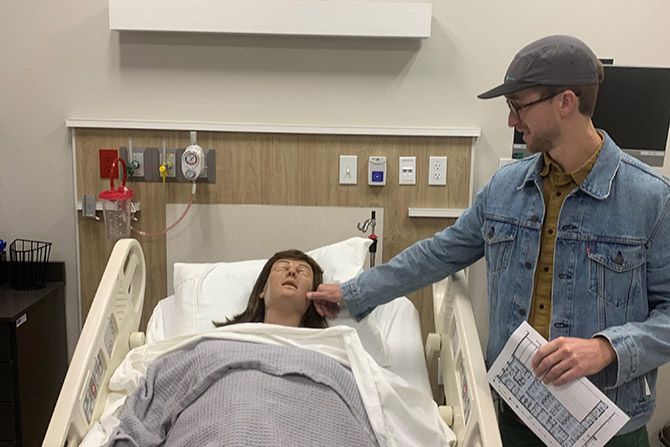
Sheridan College Health Sciences Center. Led by Karen Kelly, AIA, principal with Arete Design Group, this tour showed the challenges of conducting a renovation and partial replacement/expansion of an existing building in the heart of a college campus. The tour discussed how the staging of construction was set up to ensure safe exiting and accessibility while the building followed health standards as an operating dental clinic.
Sheridan College Innovation Center. Brandon Daigle, AIA, principal with MOA, led a tour of the Innovation Center, a 28,000-square-foot project. As Sheridan College’s most recent building renovation and expansion, this space supports students and community members who are pursuing career opportunities in manufacturing or construction trades. This building also includes the new Manufacturing Incubator for private sector tenants.
EMIT Headquarters and Manufacturing Facility. Jeffrey Johnston, AIA, and Andy Ankeny, AIA, of CLB Design, led a tour of the headquarters of EMIT. At nearly 120,000 square feet, this facility consolidates the operations of four existing metal fabrication facilities and introduces amenities accessible to over 100 employees and the public. Originally a concrete-block Kmart, the campus was reenvisioned as a world-class, state-of-the-art facility to attract new talent and integrate them into an established community of Wyoming locals.
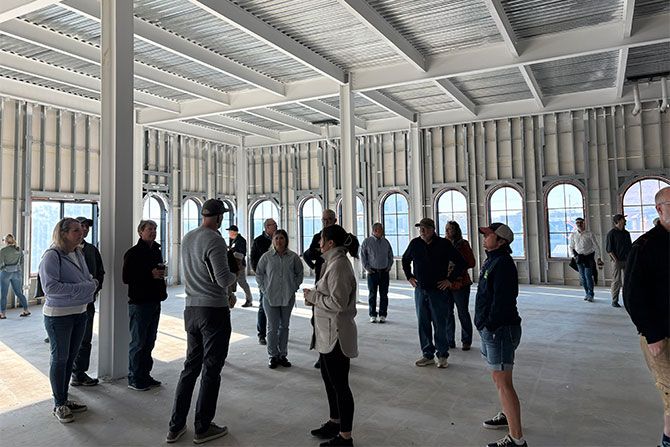
Cady Building. Levi Van Buggenum, AIA, with Arete Design Group, led a tour of this historic building. The tour explored its adaptive reuse during phased renovation. Participants saw how modern building systems are integrated within an existing structure, while maintaining code compliance and improving occupant safety. The session included a guided tour of the partially completed project, highlighting how design decisions strike a balance between preservation and modernization.
SMH Behavioral Health and Crisis Stabilization Unit. Mike Glassing, AIA, of Cushing Terrell, provided a tour of the new Behavioral Health and Crisis Stabilization Unit currently under construction at Sheridan Memorial Hospital. The EmPATH concept utilized in this project introduces a human-centered model of care and spatial design, prioritizing the wellbeing of both patients and staff while creating an environment that supports healing and dignity.